
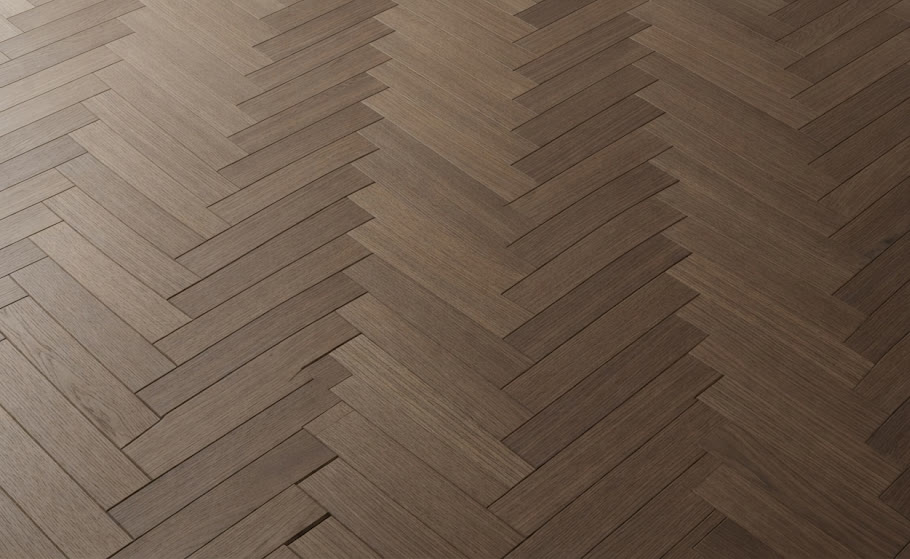

Engineered wood flooring: cost, durability and installation in Mumbai
A real wood surface with better resistance to humidity swings than solid wood, at a cost between laminate and solid wood.
Raju Sharma, Founder, ARS Wooden Flooring · Updated August 2026

What is engineered wood flooring made of?
Engineered wood flooring has two parts: a top layer of real wood veneer, usually oak, teak, or another hardwood species, and a core built from several layers of plywood or high-density fiberboard glued in a cross-grain pattern. That cross-layering is the key structural difference from solid wood, which is a single piece of timber running in one grain direction.
Because the layers run in alternating directions, the core resists the expansion and contraction that solid wood goes through as humidity rises and falls through the year. The wood veneer on top means it still looks, feels, and can be treated like real wood.
How much does engineered wood flooring cost in Mumbai?
Engineered wood costs more than laminate or SPC because of the real wood veneer, and generally less than solid wood flooring of the same species. Within engineered wood itself, price varies by veneer thickness, wood species, and finish; a thicker veneer that can be refinished more times costs more than a thin veneer meant to be replaced rather than sanded.
We price each project by room size, species, and finish rather than a flat rate, since those three factors move the cost the most. Message your room dimensions on WhatsApp for a quotation.
How does engineered wood flooring hold up in Mumbai's climate?
Mumbai's humidity moves solid wood more than most cities, especially in rooms without consistent air conditioning. Engineered wood's layered core is built to resist that movement, which is why it's become the more common choice for clients who want a genuine wood floor without the gaps and cupping that can appear in solid wood during humid months.
It still needs sensible care: keep standing water off the surface, and avoid direct, prolonged sun exposure on unprotected boards, which can fade the finish over time.
Can engineered wood flooring be refinished like solid wood?
Yes, within limits set by the thickness of the top veneer. A thicker veneer, generally 3mm or more, can be sanded and refinished once or twice over the life of the floor, similar to a thin solid wood floor. A thinner veneer has less material to sand and should be treated as a longer-life finish rather than a refinishable surface.
If refinishing matters to you, ask about veneer thickness specifically when comparing products, since it's not always obvious from a sample swatch.
How is engineered wood flooring installed?
Most engineered wood flooring installs as a floating floor with a click-lock system over an underlayment, similar to SPC and laminate, which keeps installation time down and avoids the drying time associated with glue-down or nail-down solid wood installation. Some premium engineered products can also be glued directly to the subfloor for a firmer underfoot feel.
We handle subfloor preparation, underlayment, and installation as part of our engineered wood flooring service, so the floor is ready to walk on the same day in most residential rooms.
Engineered wood vs solid wood: which should you choose?
Choose engineered wood if you want the look and feel of real wood with more resistance to Mumbai's humidity and a lower price than solid wood of the same species. Choose solid wood if you want a floor you can sand and refinish multiple times over decades and you can control humidity in that room consistently.